
兼论未来数字钱包的发展与安全策略分析
Digital wallets have become an integral part of our financial ecosystem, enabling seamless transactions and a greater integration of multi-chain assets. As we dive into the world of digital wallets, particularly focusing on the TPWallet, we must consider the pivotal aspects of efficient payment interfaces, security measures, and the impending digital transformation.
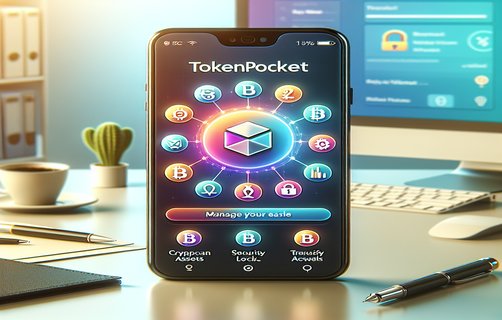
First and foremost, efficient payment interfaces stand as the cornerstone of any successful digital wallet. Users demand quick and user-friendly experiences, and interfaces that simplify the payment process can significantly enhance user satisfaction. TPWallet, leveraging modern technological advancements, provides an interface that is not only easy to navigate but is also responsive to real-time transactions across various platforms. This adaptability means that users can execute transactions seamlessly, regardless of whether they are on a desktop or mobile device, fostering a convenient experience.
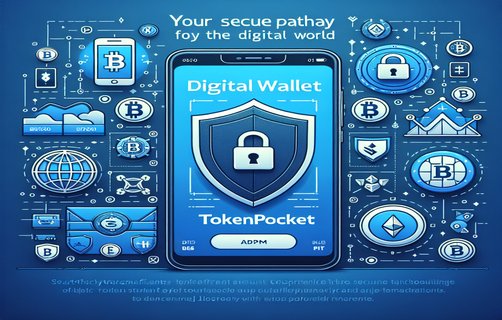
The integration of multi-chain assets plays a crucial role in future-proofing digital wallets. As the blockchain space continues to evolve, with numerous chains and tokens emerging daily, the ability to manage assets across different blockchain ecosystems becomes imperative. TPWallet efficiently aggregates these assets, allowing users to interact with various cryptocurrencies and tokens in one unified interface. This cross-chain compatibility not only saves time for the user but also enhances liquidity and investment opportunities.
When contemplating the future of digital wallets, one must acknowledge the rapid pace of digital transformation in our lives. With trends such as Decentralized Finance (DeFi) and Non-Fungible Tokens (NFTs) becoming mainstream, the digital wallet must evolve to meet these new demands. It is paramount that wallets are not merely cash storage solutions but rather comprehensive financial management tools. As such, digital wallets like TPWallet must incorporate features that support trading, yield farming, and digital asset collection, making them vital tools for the next generation of investors.
However, with the rise of digital transactions, security and protection mechanisms must also be at the forefront of wallet development. The vulnerability of private keys and the risk of hacks necessitate robust security protocols. TPWallet employs advanced encryption methods, multi-signature technology, and biometric authentication to ensure that user assets remain secure. These mechanisms not only protect against unauthorized access but also provide users with peace of mind as they manage their financial assets.
Backing this up is the critical aspect of data security and backup strategies. Ensuring that user data is consistently backed up and that recovery mechanisms are in place is non-negotiable in an era where data breaches are common. TPWallet implements regular automated backups, allowing users to restore access in the event of data loss, thus minimizing potential risks.
Lastly, the monitoring of smart contracts cannot be overlooked. As digital wallets increasingly engage with DeFi protocols, maintaining vigilance on contract interactions ensures that users operate within secure boundaries, avoiding potential exploits.
To conclude, the evolution of digital wallets, particularly models like TPWallet, paints a promising picture for the future of digital finance. By focusing on efficient payment systems, multi-chain integrations, stringent security measures, and comprehensive data protections, these wallets are set not just to keep pace with technological innovations but to lead the charge in redefining how we manage our digital assets.